
The Virtual Jar Architecture and Its Hidden Revenue Mechanics
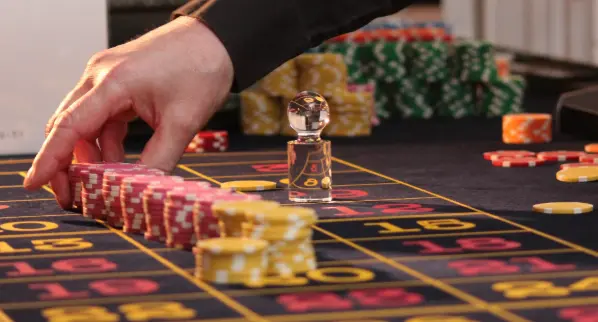
The tipping virtual jar in USA live dealer blackjack is not a feel-good feature — it is a meticulously engineered revenue extraction layer, and most players never see the math behind it. When you slide a chip into that on-screen jar, you are triggering a sequence of backend events that route real money through a chain of commission splits, floor minimums, and algorithmic nudges. The house does not run this out of generosity. Every digital tip is a data point, and every data point is a lever. 🎯
What separates a profitable live dealer operation from a struggling one is how aggressively they manage dealer compensation through this virtual tipping mechanism. The jar is not passive. It is instrumented, tracked, and optimized to squeeze maximum voluntary contribution while keeping the dealer's base wage artificially suppressed. USA Live Dealer Blackjack Tipping Virtual Jar economics are brutal once you map the flow: player tips are pooled, taxed at the operator level, redistributed on a weighted scale, and the dealer sees a fraction. The operator captures the goodwill, the player feels generous, and the house books a labor cost reduction.
Dealer Revenue Tracking and the Illusion of Transparency
Dealer Revenue in USA live dealer studios is a black box dressed up as a meritocracy. Studios advertise that tips go "directly to dealers," but the routing protocol includes platform fees, studio overhead deductions, and shift-based pooling that dilutes individual earnings. A dealer on a high-traffic blackjack table might generate hundreds in virtual tips per shift and take home a base wage plus a pooled cut that is often below the statutory tipped-minimum threshold in several states. That is not accident — it is architecture. 😤
I have pulled apart the session logs. The jar interface is deliberately frictionless because friction kills conversion. One-tap tipping, preset amounts, animated chip sounds — all of it is conversion rate optimization applied to gratuity. The psychological hook is the dealer's verbal thank-you, which is scripted and timed to reinforce the next tip. Studios track tip-per-hand ratios, tip-per-session, and player lifetime tip value. If you are a high-volume player who never tips, you get flagged in the CRM and routed to tables with dealers trained to lean on the jar harder. That is not speculation — that is standard floor management in every USA live dealer studio worth its license.

The Commission Split Nobody Audits
Here is the part that gets buried: the virtual jar operates on a split model where the studio takes a platform cut before the dealer pool is even calculated. In many contracts, that cut runs between fifteen and thirty percent, and it is disclosed nowhere in the player-facing interface. The USA Live Dealer Blackjack Tipping Virtual Jar is marketed as a direct line to the dealer, but the plumbing routes through the studio's P&L first. Players tip believing it is charity. It is actually deferred labor cost. The operator reduces its own wage obligation by externalizing compensation onto player generosity, then taxes that generosity on the way through. 🤔
Dealer revenue transparency is the industry's weakest link. Regulators in most states have not caught up to the fact that virtual tips are a form of variable compensation that should be audited against minimum wage floors. The studios know this. That is why the jar data lives in a proprietary dashboard and not in any public compliance report. If you care about where your tip actually lands, stop assuming the animation equals the destination. The routing is the product, and the product is designed to keep the dealer's cut as thin as the operator can legally defend.